Explore Germany’s Most Beautiful Campuses: A Visual Tour
Germany’s most stunning universities read like a catalog of architectural ambition, verdant gardens, and historic charm—all set against the backdrop of bustling student life. Whether you’re a prospective student, an academic traveler, or simply a lover of beautiful spaces, a visual journey through these campuses reveals why education and aesthetics often walk hand in hand.
Why Campus Beauty Matters
Beyond the lecture halls, a well‑designed campus can shape the way students learn, collaborate, and unwind. Natural light flooding a modern library, for instance, can boost concentration, while a historic courtyard invites spontaneous discussions. In Germany, where centuries‑old traditions coexist with cutting‑edge research, the visual environment becomes a silent educator itself.
Historic Gems: Classic Architecture Meets Modern Life
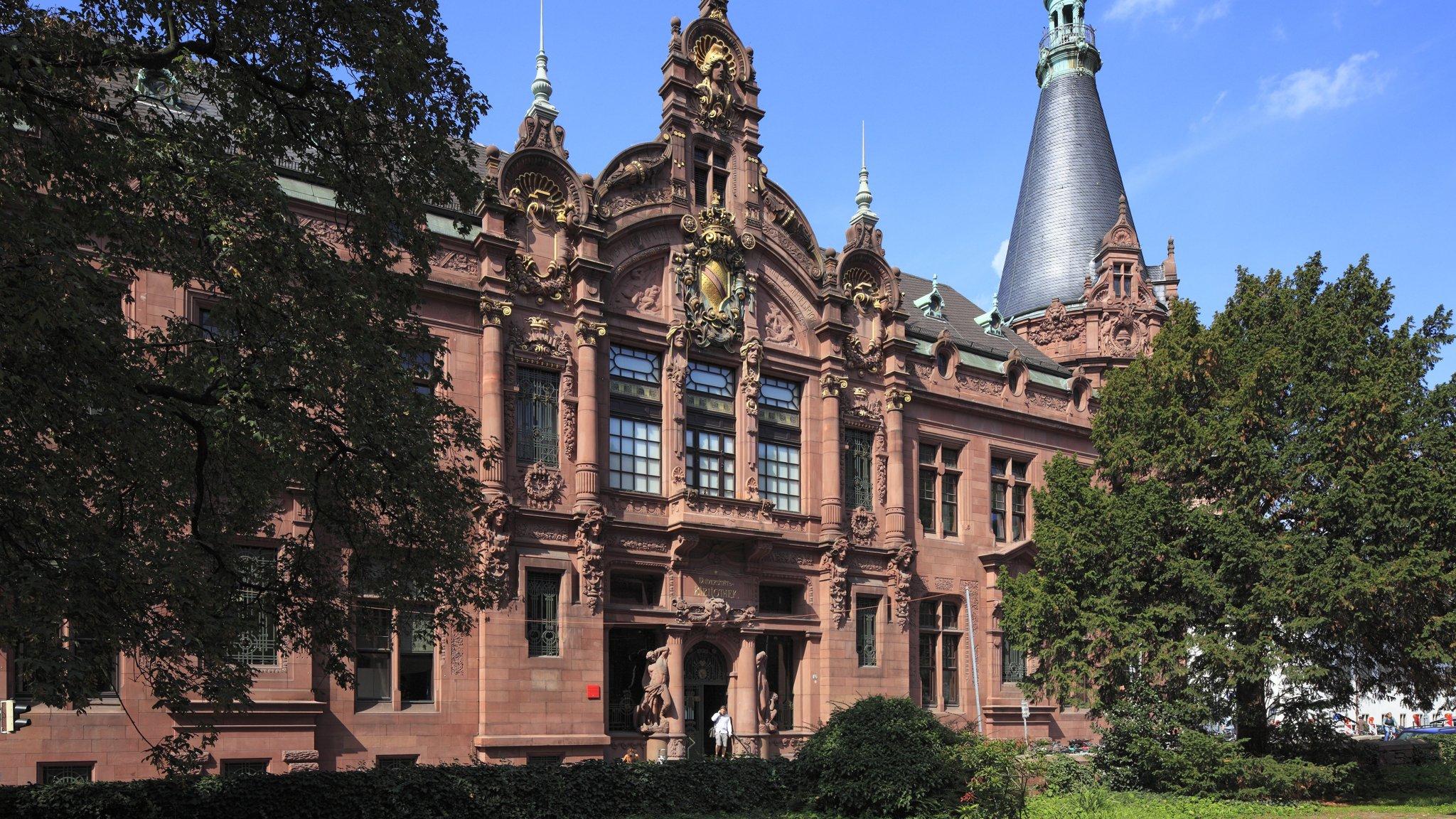
Heidelberg University is a prime example. Founded in 1386, its baroque buildings line the Neckar River, and the Alte Aula still hosts ceremonies in its original grandeur. Walking through its stone corridors feels like stepping back in time, yet the university houses state‑of‑the‑art labs that attract global scholars.
University of Freiburg showcases a blend of Gothic spires and contemporary extensions. The Freiburg Cathedral towers over the main square, while sleek glass structures house the newer biology departments. The juxtaposition reminds visitors that history can be a foundation rather than a barrier to innovation.
Another noteworthy institution is the Technical University of Munich (TUM). Its historic buildings in the city center echo Bavarian classicism, while the sprawling Campus Garching features sleek, minimalist labs that look like they belong in a science‑fiction film.
Green Oases: Universities with Outstanding Landscapes
The University of Konstanz is often called the “Lake Campus.” Set on the shores of Lake Constance, its pathways wind through pine forests and across wooden bridges. Students can study by the water’s edge, and during summer, the lake becomes a natural extension of the campus’s communal spaces.
Further north, University of Hamburg boasts a sprawling botanical garden that doubles as a research hub for plant sciences. The garden’s seasonal blossoms provide a constantly changing backdrop, turning every stroll into a fresh visual experience.
If you crave a blend of urban buzz and natural serenity, University of Cologne offers the Rheinpark adjacent to its main buildings. The river’s gentle flow and expansive lawns make it a favorite spot for outdoor lectures and weekend picnics.
Artistic Campuses: When Buildings Become Exhibits
Leuphana University Lüneburg has embraced modern art as a core part of its identity. The campus’s Campus Centre features an ever‑rotating series of installations from emerging artists, turning everyday corridors into galleries.
In the east, University of Leipzig integrates the historic Augustusplatz square with contemporary sculptures, creating a dialogue between past and present. The campus’s Alma Mater building, designed by a renowned German architect, is itself a piece of kinetic art, its façade shifting with the sun.
Lastly, the University of the Arts Berlin (UdK) pushes the envelope further. Its buildings are designed like open studios, with glass walls that expose ongoing projects. Visitors can watch students sculpt, paint, and perform in real time, blurring the line between spectator and participant.
How to Experience These Campuses as a Visitor
- Plan ahead. Many German universities offer guided tours, often led by current students who can share insider anecdotes.
- Check photography policies. While most public spaces are open for pictures, certain labs or historic rooms may have restrictions.
- Take your time. A quick walkthrough rarely captures the subtle details—a carved stone lintel, a hidden garden nook, or the way light filters through a stained‑glass window.
- Combine visits. Pair a campus tour with nearby cultural attractions; for instance, after exploring Heidelberg’s old town, you can wander its university hill for a panoramic view.
FAQ
Q: Which German university campus is the most photographer‑friendly?
A: While many campuses welcome photography, the University of Konstanz is particularly open, thanks to its expansive outdoor settings and minimal indoor restrictions.
Q: Are campus tours free for international visitors?
A: Most public universities offer complimentary tours, though some private institutions may charge a modest fee. It’s best to check the university’s official website before arriving.
Q: Can I attend a public lecture while touring?
A: Yes—many German universities host open lectures and seminars. Look for events labeled “public” or “Gastvortrag” on the campus calendar.
Q: What’s the best season for a visual campus tour?
A: Late spring and early autumn provide the most vibrant colors—blossoming trees or golden foliage—making the campuses especially photogenic.