How Denmark Rings in the New Year: Traditions & Festivities
When the clock strikes midnight on December 31st, Denmark erupts in a blend of glitter, fire, and hearty laughter. New Year celebrations in Denmark are less about extravagant parties and more about communal rituals that have been passed down through generations. Whether you’re strolling along Copenhagen’s waterfront or sharing a plate of kransekage with family, the country’s customs offer a warm, slightly quirky welcome to the year ahead.
Midnight Fireworks Over Copenhagen
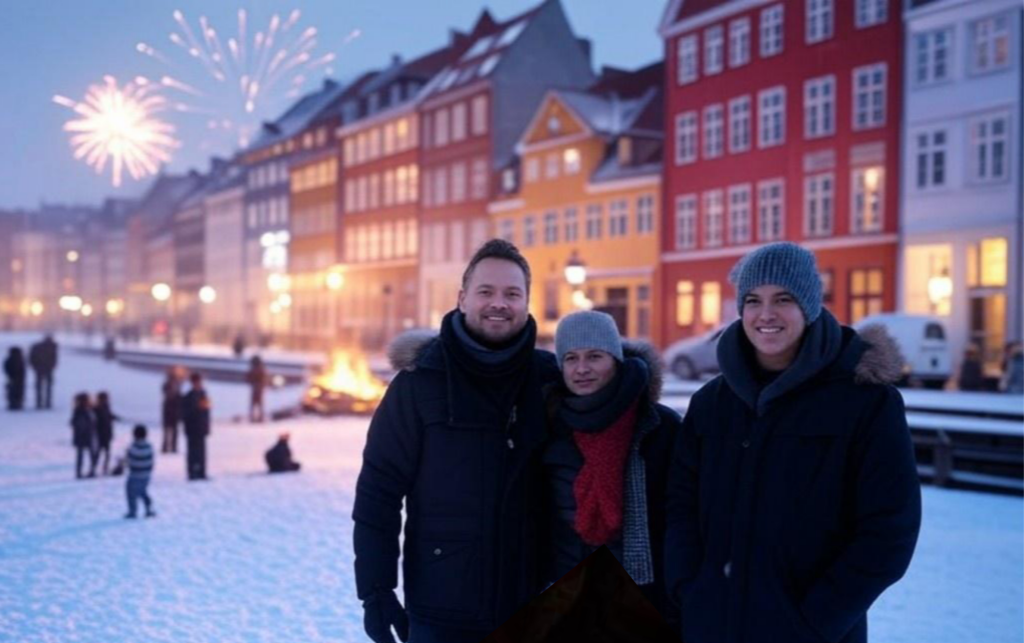
The centerpiece of any Danish New Year’s Eve is the spectacular fireworks display that lights up the sky above the harbour. From the iconic Nyhavn to the sleek towers of Ørestad, crowds gather with blankets and hot drinks, eyes glued to the dazzling bursts. The show typically begins a few minutes before midnight, allowing the final explosion to echo precisely as the new year is announced. For locals, the fireworks are a visual countdown that feels almost ritualistic, a shared moment that bonds strangers in awe.
A Traditional New Year's Dinner
While many countries favor champagne and canapés, Danes often sit down to a hearty feast that reflects the country’s love of comfort food. A classic menu includes stegt flæsk (crispy pork belly), pickled herring, and a mountain of boiled potatoes smothered in butter. The star of the table, however, is the kransekage—an almond‑based tower of concentric rings that can be stacked as high as the host feels ambitious. Some families even hide a single hidden almond inside the cake; the lucky finder is said to enjoy good luck throughout the coming year.
- Stegt flæsk with parsley sauce
- Pickled herring varieties (spicy, sweet, or mustard)
- Boiled potatoes with butter
- Kransekage (almond ring cake)
- Champagne or Danish sparkling wine
The meal is usually followed by a toast of sparkling wine, accompanied by the cheerful shout of “Godt Nytår!”—the Danish equivalent of “Happy New Year.”
Jumping Into the New Year
If you think the cold Danish winter would keep people indoors, think again. One of the most daring traditions is the nytårsbad, a New Year’s swim that takes place in harbors and beaches across the country. Even in sub‑zero temperatures, volunteers—often dressed in nothing more than a swimsuit and a brave grin—dive into the icy water just after midnight. The act is seen as a refreshing way to wash away the old year’s worries and start anew with a surge of adrenaline.
Resolutions and the “Godt Nytår” Toast
Like many cultures, Danes love a good resolution, but they keep it simple. After the fireworks fade, friends and family exchange wishes for health, happiness, and prosperity. The customary phrase “Godt Nytår” is repeated in earnest, often followed by a clink of glasses. In workplaces, a brief “new‑year meeting” might be scheduled for the first Monday of January, where goals are set and the previous year’s achievements are briefly acknowledged.
Quiet January 1st: A Day for Rest and Reflection
Unlike the bustling night before, New Year’s Day in Denmark is deliberately low‑key. Most shops and offices remain closed, giving people the chance to recover from the night’s celebrations. Many Danes take a leisurely walk in the countryside or along the coast, enjoying the crisp winter air while reflecting on their resolutions. Public transport runs on a reduced schedule, reinforcing the notion that the first day of the year is for personal recharge rather than commerce.
Community Events and the New Year Run
In larger cities, organized runs—known as “Nytårsløbet”—kick off the year with a burst of activity. Participants, dressed in bright colors to contrast the winter gloom, jog through city streets while spectators cheer them on. These events blend fitness with festivity, encouraging a healthy start to the calendar. Smaller towns might host a community bonfire, where locals gather to share stories and enjoy hot mulled wine (gløgg).
Music, Television, and the Danish Way to Celebrate
Television also plays a role in the night’s entertainment. A popular program, “Det Nye År,” features live musical performances, comedy sketches, and a countdown hosted by beloved Danish personalities. Many families keep the TV on for the final minutes, but the volume is often turned down as the focus shifts to the fireworks outside. Traditional Danish folk songs sometimes make an appearance, reminding listeners of the country’s deep cultural roots.
Keeping the Spirit Alive Throughout the Year
The ethos of Danish New Year celebrations—community, modest indulgence, and a touch of daring—extends far beyond the night of December 31st. Throughout the year, Danes continue to prioritize hygge (coziness), balanced meals, and regular outdoor activities, all of which echo the values highlighted on New Year’s Eve. In this way, the holiday becomes a catalyst rather than a standalone event, setting the tone for a year of steady, contented living.
Frequently Asked Questions
When do fireworks usually start on New Year's Eve in Denmark?
Fireworks generally begin a few minutes before midnight, with the main display timed to explode right as the new year is announced.
What are the most common foods served during a Danish New Year's dinner?
Typical dishes include crispy pork belly (stegt flæsk), pickled herring, boiled potatoes, and the almond ring cake kransekage, often paired with champagne or sparkling wine.
Is the “nytårsbad” (New Year’s swim) open to everyone?
Yes, most organized swims are free to the public, though participants should be prepared for near‑freezing water temperatures and may want to bring a towel and warm clothing for after the dip.
Do Danes make many New Year’s resolutions?
Resolutions are common but usually modest, focusing on health, personal growth, or simple lifestyle changes rather than grand, sweeping vows.