How Different Types of Alliances Shape Business Strategy
What Is an Alliance and Why It Matters
When companies decide to work together rather than go it alone, they form an alliance. An alliance can be as informal as a marketing swap or as structured as a legally‑bound joint venture. The goal is usually to tap resources, enter new markets, or accelerate innovation without the full cost of a merger. Exploring different types of alliances helps managers match the right collaboration model to their strategic objectives.
Strategic Partnerships: Long‑Term Value Creation
Strategic partnerships are built on mutual trust and a shared vision that extends beyond a single project. Both parties typically retain their independence while co‑creating products, sharing distribution channels, or pooling R&D talent. Because the relationship is meant to last, partners often formalize governance rules, performance metrics, and dispute‑resolution processes.
Typical examples
- Technology firms co‑developing platforms (e.g., a cloud provider and an AI startup).
- Retail brands pairing with logistics companies to improve last‑mile delivery.
- Healthcare organizations sharing patient‑data analytics tools while complying with privacy regulations.
Joint Ventures: Sharing Risks and Rewards
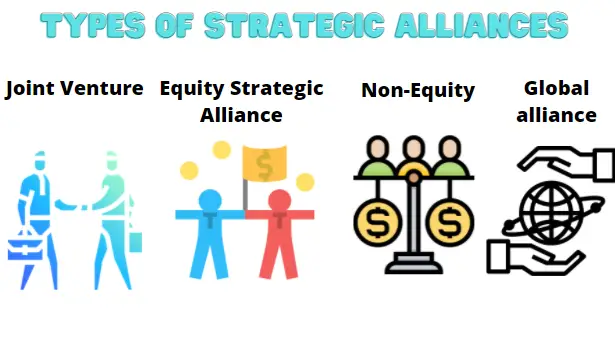
A joint venture (JV) creates a new legal entity that both parent companies own, usually in equal or proportionate shares. This structure allows participants to pool capital, expertise, and risk in a way that a simple partnership cannot. JVs are common when entering markets with high regulatory barriers or when the required investment is too large for either company alone.
While the new entity operates independently, its board typically includes representatives from each parent, ensuring that strategic direction reflects the interests of both owners. Exit strategies—such as buy‑outs or public listings—are usually defined up front to avoid future conflict.
Consortia and Industry Coalitions: Power in Numbers
Consortia bring together multiple companies, often competitors, to tackle challenges that no single firm can solve alone. Think of standard‑setting bodies, shared research initiatives, or joint lobbying groups. The key advantage is collective bargaining power and the ability to spread costs across many participants.
Because members may have divergent commercial interests, consortia typically focus on non‑exclusive benefits—like developing an industry‑wide technology standard—rather than direct profit sharing. Governance is usually handled by a steering committee with rotating seats to keep the group balanced.
Non‑Equity Alliances: Flexibility Without Ownership
Non‑equity alliances involve collaboration without any equity exchange or creation of a new entity. They are the most flexible form, allowing firms to cooperate on specific initiatives while keeping their balance sheets untouched. Common arrangements include licensing deals, distribution agreements, and joint marketing campaigns.
This agility comes with a trade‑off: because there is no shared ownership, enforceability relies on contract terms rather than mutual stakeholding. As a result, clear performance metrics and termination clauses become especially important.
Choosing the Right Alliance for Your Goals
Start by asking what you hope to achieve. If the objective is long‑term co‑innovation, a strategic partnership or joint venture may be the best fit. For one‑off projects or market testing, a non‑equity alliance offers speed and low commitment. When the challenge is industry‑wide—such as establishing a new safety standard—a consortium can marshal the necessary scale.
Next, assess risk tolerance. Joint ventures involve shared capital and liability, so they suit organizations comfortable with deeper financial exposure. Non‑equity deals, by contrast, keep risk on the per‑project level.
Finally, consider cultural compatibility. Even the most financially sound alliance can falter if the partners have mismatched decision‑making styles or conflicting brand values. Conducting a thorough due‑diligence checklist—covering governance, IP ownership, and exit plans—helps surface potential friction points before they become deal‑breakers.
FAQs
What’s the difference between a strategic partnership and a joint venture?
A strategic partnership is a collaborative agreement where each company remains separate, while a joint venture creates a new, jointly‑owned entity that pools resources and risks.
Can competitors be part of the same alliance?
Yes, especially in consortia or industry coalitions where the focus is on shared standards or research rather than direct market competition.
How long do alliances typically last?
The duration varies: non‑equity alliances may be project‑specific, strategic partnerships often span several years, and joint ventures can be indefinite or have predefined exit timelines.
What legal protections are essential in an alliance?
Key protections include clear IP clauses, confidentiality agreements, performance metrics, and well‑defined termination or exit provisions to manage disputes.