How Electronic Warfare Aircraft Redefine Modern Battles
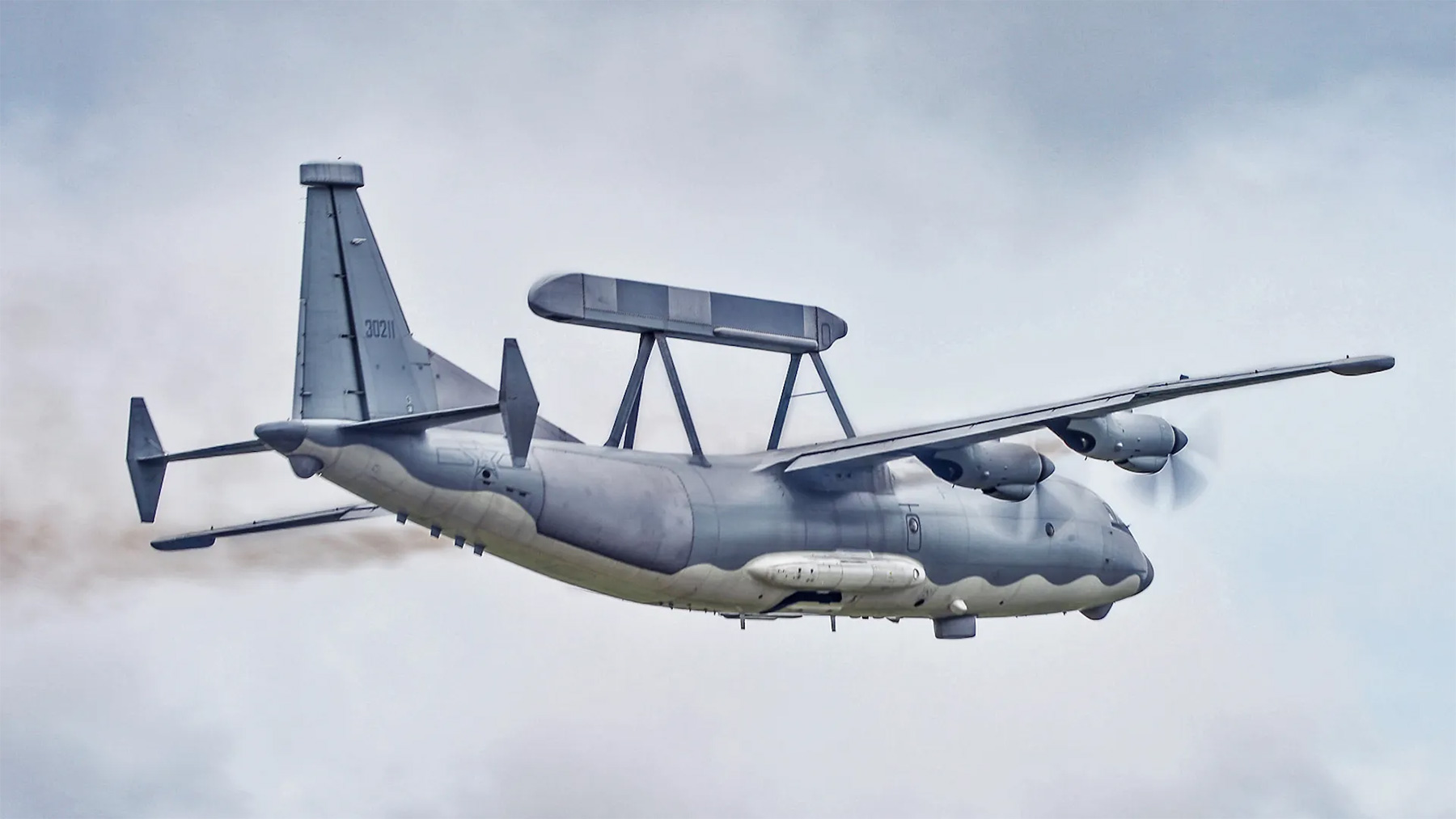
When a fighter squadron flies into a contested sky, the unseen battle often begins long before any missile is launched. Electronic warfare aircraft—specialized platforms packed with antennas, jammers, and sensors—are the silent arbiters that can tip the scales in favor of one side. Their job is to deny the enemy reliable information while safeguarding friendly forces, a role that has become indispensable in today’s digitized battlefields.
Core Capabilities of Electronic Warfare Aircraft
Modern EW aircraft are essentially airborne electronic hubs. They can detect, intercept, and disrupt a wide range of enemy emissions, from radar pulses to communications links. The three pillars of their mission set are radar jamming, electronic surveillance, and suppression of enemy air defenses (SEAD).
Radar Jamming
By emitting powerful, broadband signals that drown out hostile radar, EW aircraft render tracking and targeting systems ineffective. Early systems such as the ALQ‑99 pod used on the EA‑18G Growler rely on a combination of noise jamming and deceptive techniques that mimic friendly radar signatures, confusing adversary fire-control loops.
Electronic Surveillance
Beyond denial, these aircraft excel at gathering intelligence. Their onboard receivers can catalog frequencies, pulse patterns, and even decode low‑level data links, feeding analysts a real‑time picture of the electromagnetic environment. This “signals‑intelligence” (SIGINT) capability often precedes kinetic strikes, allowing commanders to plan more precise attacks.
Suppression of Enemy Air Defenses (SEAD)
In a SEAD mission, the aircraft not only jams radar but also guides anti‑radiation missiles to their sources. The synergy between electronic suppression and kinetic weapons creates a layered effect: first, the radar is blinded; then, it is physically destroyed, clearing a path for strike packages.
Evolution of Platforms: From the EF‑111A Raven to the EA‑18G Growler
The concept of dedicated EW aircraft dates back to the Cold War, when the United States introduced the EF‑111A Raven—a modified F‑111 that carried powerful jamming suites and stayed in service until the late 1990s. Its successor, the EA‑6B Prowler, added a crew of four to manage the complex electronic payload, serving from Vietnam through the early 2000s.
Today’s frontline platform, the EA‑18G Growler, builds on that legacy with a two‑seat airframe derived from the F/A‑18F Super Hornet. It integrates the latest digital jamming software, allowing operators to switch between threat libraries on the fly. While the Growler’s primary weapon is still the ALQ‑99, a newer “Next Generation Jammer” is being fielded to counter advanced, frequency‑agile radars.
Across the globe, other air forces have followed suit. Russia’s Il‑22PP “Porubshchik” serves as a dedicated EW platform, equipped with a suite of Soviet‑era and modern Russian jammers. Meanwhile, the Israeli Air Force often mounts EW pods on F‑15s and F‑16s, providing flexible, mission‑tailored electronic attack capabilities without a dedicated airframe.
Challenges and Future Directions
Operating in a contested electromagnetic spectrum is increasingly complex. Adversaries now employ low‑probability‑of‑intercept (LPI) radars and encrypted datalinks that are harder to detect and jam. To stay ahead, EW aircraft are embracing artificial intelligence for real‑time threat analysis and automated waveform selection.
Another frontier is the integration of directed‑energy weapons, such as high‑energy lasers, which could physically damage enemy sensors without expending missiles. While still in experimental stages, the concept of mounting a laser alongside traditional jammers hints at a future where electronic and kinetic effects converge on a single platform.
Finally, survivability remains a concern. As anti‑access/area‑denial (A2/AD) systems become more sophisticated, EW aircraft must operate at higher altitudes or rely on stealthier airframes. Some nations are exploring unmanned EW drones that can linger over hostile territory, reducing risk to aircrew while maintaining persistent electronic pressure.
What to Expect from the Next Generation of EW Aircraft
- Modular payloads: Swappable pods that can be reconfigured for specific missions in minutes.
- Network‑centric operations: Seamless data sharing with other platforms, creating a “digital battlefield” where information is the primary weapon.
- Enhanced situational awareness: Integrated electro‑optical sensors that complement electronic data, offering a fuller view of the threat environment.
FAQ
What types of missions do electronic warfare aircraft typically perform?
They conduct radar jamming, signals intelligence collection, and SEAD missions, often working in tandem with strike packages to protect friendly aircraft and disrupt enemy defenses.
Can commercial aircraft be converted into electronic warfare platforms?
While some nations have retrofitted transport or tanker airframes with EW equipment for specific roles, dedicated combat‑derived platforms usually provide the necessary speed, altitude, and survivability.
How does the EA‑18G Growler differ from its predecessor, the EA‑6B Prowler?
The Growler uses a more modern airframe based on the F/A‑18, incorporates digital jamming software, and benefits from reduced crew size—two instead of four—while maintaining a robust electronic attack suite.
Will unmanned systems replace manned electronic warfare aircraft?
Unmanned EW drones are emerging as valuable complements, especially for high‑risk missions, but fully replacing manned platforms is unlikely in the near term due to the need for on‑the‑fly decision making and complex threat assessment.