How Mortgage-Backed Securities Fueled the 2008 Crisis
When the headlines shouted “housing market collapsed,” most readers saw falling home prices, but the deeper driver was a financial instrument called a mortgage‑backed security. In plain terms, these securities bundled thousands of home loans into tradable pieces, promising investors steady returns. The twist? By 2008, the very structure meant to spread risk ended up concentrating it, and when borrowers began defaulting en masse, the whole system shuddered. Below, we untangle how mortgage‑backed securities (MBS) turned a housing slowdown into a global financial crisis.
Mortgage-Backed Securities and the 2008 Crisis
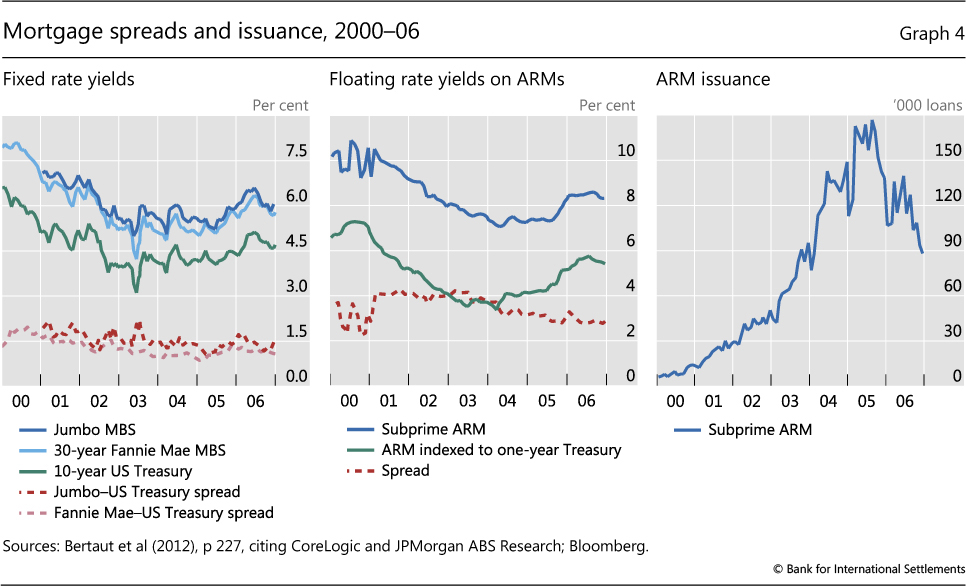
At its core, an MBS is a collection of mortgage loans sold to a trust. The trust then issues securities that pay investors from the homeowners’ monthly payments. In the early 2000s, banks and investment firms loved them because they turned illiquid loans into liquid assets that could be sold worldwide. Rating agencies, eager to keep business flowing, began assigning high grades—often AAA—to many of these tranches, even when the underlying loans were risky.
What Made These Securities So Attractive?
- Yield Boost: Compared with Treasury bonds, MBS offered higher yields, appealing to pension funds and insurance companies.
- Perceived Safety: The AAA ratings suggested low default risk, reassuring even conservative investors.
- Liquidity: A thriving secondary market meant investors could buy and sell MBS quickly, treating them almost like cash.
These incentives created a feedback loop: demand for MBS pushed lenders to originate more mortgages, often stretching underwriting standards to the breaking point.
Why the System Unraveled
Two interlocking forces set the stage for disaster. First, lenders increasingly offered “subprime” mortgages—loans to borrowers with shaky credit histories—because they could still package them into MBS and offload the risk. Second, a new breed of securities called collateralized debt obligations (CDOs) sliced MBS into even finer tranches, promising higher returns to investors willing to take on more risk.
When housing prices stalled and then fell, many subprime borrowers found their homes worth less than the loan balances. Suddenly, the cash flow feeding MBS dried up. Because the securities were intertwined through CDOs, the shock rippled across the financial network, catching banks, hedge funds, and even sovereign wealth funds off guard.
The Role of Rating Agencies and Regulation
Rating agencies were supposed to act as the system’s safety net, but they faced a conflict of interest: they were paid by the same banks that created the securities they evaluated. Consequently, they often relied on overly optimistic models that underestimated the correlation between mortgage defaults. When defaults surged, the agencies were forced to downgrade massive volumes of securities overnight, triggering a wave of forced sell‑offs and a severe liquidity crunch.
Regulators, meanwhile, had limited visibility into the growing opacity of the MBS market. The “shadow banking” sector—entities like investment banks that performed bank‑like functions without the same oversight—expanded rapidly. Without capital buffers or deposit insurance, these institutions were especially vulnerable when market confidence evaporated.
Impact on the Real Economy
The fallout was swift. Major investment banks such as Lehman Brothers collapsed, while others like Bear Stearns were rescued at fire‑sale prices. Credit markets froze, making it difficult for even healthy businesses to obtain loans. The resulting recession saw unemployment spike, home foreclosures soar, and consumer confidence plunge. In short, a financial instrument meant to diversify risk became the conduit for a worldwide downturn.
Key Lessons for Today's Investors
- Don’t rely solely on credit ratings. A high rating does not guarantee safety; understand the underlying assets.
- Watch for concentration risk. Even diversified portfolios can be exposed if they share a common underlying factor.
- Regulatory transparency matters. Strong oversight of complex financial products can prevent systemic blind spots.
Since 2008, reforms such as the Dodd‑Frank Act have tightened capital requirements and increased disclosure for securitized products. Yet the market for mortgage‑backed securities remains sizable, and the temptation to chase higher yields persists. Investors who stay vigilant about the quality of the underlying loans are better positioned to navigate these waters.
Frequently Asked Questions
What exactly is a mortgage‑backed security?
A mortgage‑backed security is a bond-like instrument that pools together home loans and distributes the borrowers’ payments to investors. The security’s value depends on the performance of those underlying mortgages.
How did subprime mortgages affect the 2008 crisis?
Subprime mortgages were given to borrowers with weak credit histories. When many of these borrowers defaulted, the cash flow to MBS dried up, causing the securities’ values to plummet and triggering widespread financial distress.
Are mortgage‑backed securities still risky today?
They can be, especially if they contain lower‑quality loans. Modern regulations require better disclosure, but investors should still examine the loan pool’s credit quality rather than relying on ratings alone.
Did the 2008 crisis affect ordinary homeowners?
Yes. The credit crunch made mortgages harder to obtain, home values fell, and many owners faced foreclosure, leading to a lasting impact on the housing market and personal finances.